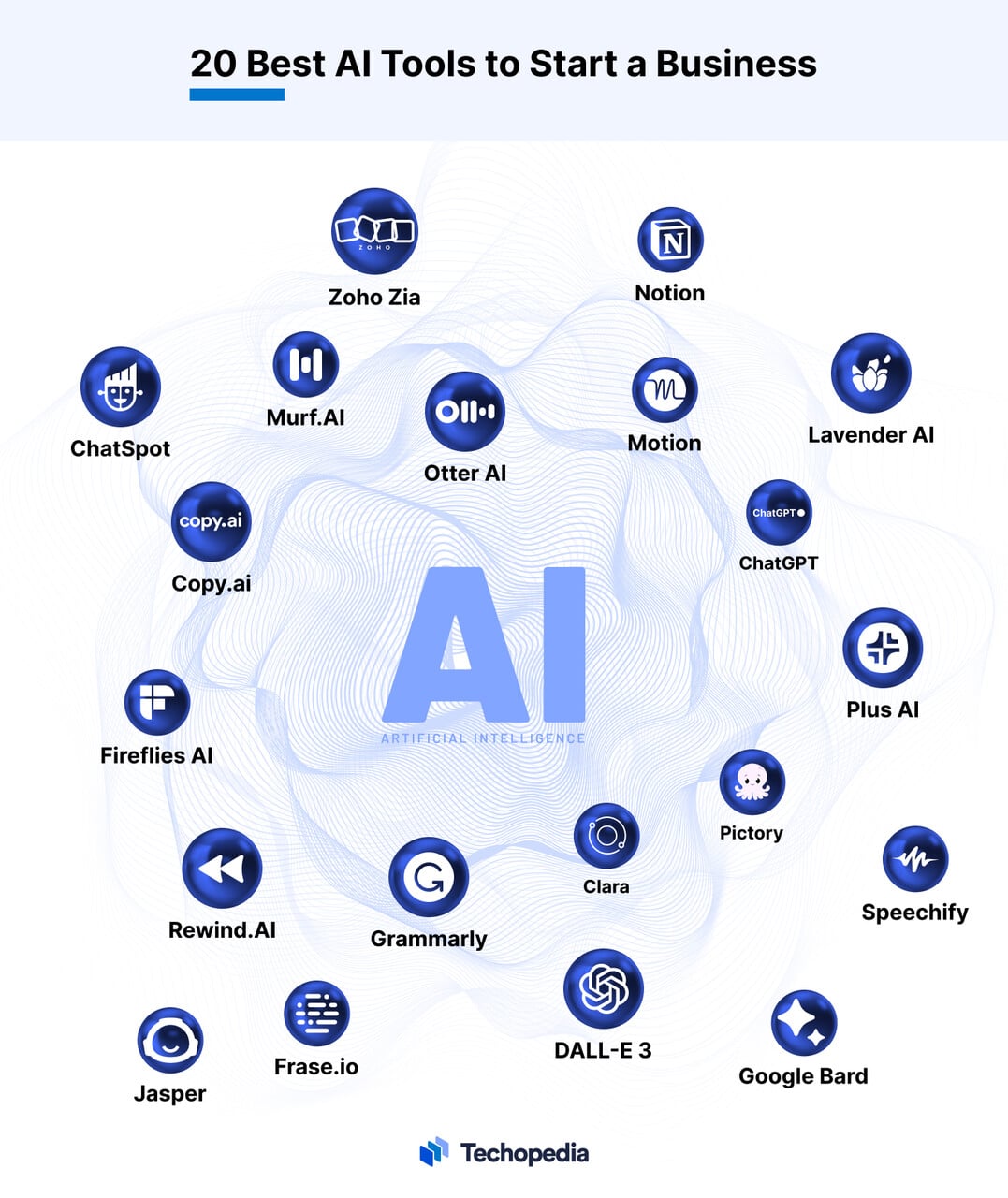
AI Tools: Revolutionizing Business Operations and Driving Growth
Artificial intelligence (AI) is no longer a futuristic concept; it’s a present-day reality transforming businesses across industries. AI tools are rapidly evolving, offering unprecedented capabilities to automate tasks, analyze data, improve decision-making, enhance customer experiences, and drive innovation. Integrating AI into business processes can lead to significant improvements in efficiency, productivity, and profitability. This article explores the diverse landscape of AI tools for business, highlighting their applications, benefits, and considerations for implementation.
The Broad Spectrum of AI Tools
The term "AI tool" encompasses a wide range of technologies, each designed to address specific business needs. Understanding the different types of AI tools is crucial for selecting the right solutions for your organization:
-
Machine Learning (ML) Platforms: ML is the foundation for many AI applications. These platforms provide the infrastructure and algorithms to train models on data, enabling businesses to predict outcomes, identify patterns, and automate decisions. Examples include Google Cloud AI Platform, Amazon SageMaker, and Microsoft Azure Machine Learning.
-
Natural Language Processing (NLP) Tools: NLP enables computers to understand, interpret, and generate human language. These tools are used for sentiment analysis, chatbot development, language translation, and content generation. Key players include OpenAI’s GPT models, Google’s BERT, and IBM Watson Natural Language Understanding.
-
Computer Vision Systems: Computer vision allows computers to "see" and interpret images and videos. Applications include quality control in manufacturing, facial recognition for security, and image analysis for medical diagnosis. Tools include Google Cloud Vision API, Amazon Rekognition, and OpenCV.
-
Robotic Process Automation (RPA): RPA automates repetitive, rule-based tasks by mimicking human interactions with software applications. This can free up employees to focus on more strategic and creative work. Popular RPA tools include UiPath, Automation Anywhere, and Blue Prism.
-
AI-Powered Analytics: These tools go beyond traditional business intelligence by using AI to uncover deeper insights from data, predict future trends, and recommend actions. Examples include Tableau CRM (formerly Salesforce Einstein Analytics), Qlik Sense, and ThoughtSpot.
-
AI Chatbots and Virtual Assistants: AI-powered chatbots provide instant customer support, answer frequently asked questions, and guide users through processes. Virtual assistants can manage schedules, automate tasks, and provide personalized recommendations. Examples include Dialogflow, Amazon Lex, and Microsoft Bot Framework.
Key Applications of AI Tools in Business
AI tools are being applied across various business functions, delivering tangible benefits:
-
Marketing and Sales:
- Personalized Marketing: AI analyzes customer data to deliver personalized marketing messages, product recommendations, and offers, increasing engagement and conversion rates.
- Lead Scoring: AI models can predict the likelihood of a lead converting into a customer, allowing sales teams to prioritize their efforts.
- Sales Forecasting: AI algorithms can analyze historical data and market trends to predict future sales, enabling businesses to plan their inventory and resources effectively.
- Customer Segmentation: AI can identify distinct customer segments based on their behavior, preferences, and demographics, allowing businesses to tailor their marketing strategies.
-
Customer Service:
- AI Chatbots: Chatbots provide 24/7 customer support, answer common questions, and resolve simple issues, freeing up human agents to handle more complex inquiries.
- Sentiment Analysis: AI can analyze customer feedback from surveys, reviews, and social media to identify areas for improvement and address customer concerns proactively.
- Personalized Support: AI can provide personalized support recommendations based on the customer’s history and preferences.
-
Operations and Manufacturing:
- Predictive Maintenance: AI analyzes sensor data from equipment to predict potential failures, allowing businesses to schedule maintenance proactively and avoid costly downtime.
- Quality Control: Computer vision systems can inspect products for defects with greater accuracy and speed than human inspectors.
- Supply Chain Optimization: AI can optimize inventory levels, predict demand fluctuations, and streamline logistics, reducing costs and improving efficiency.
- Process Automation: RPA can automate repetitive tasks in manufacturing and operations, such as data entry, order processing, and invoice management.
-
Human Resources:
- Talent Acquisition: AI can automate the screening of resumes, identify qualified candidates, and even conduct initial interviews.
- Employee Training: AI-powered learning platforms can provide personalized training experiences tailored to individual employee needs.
- Performance Management: AI can analyze employee performance data to identify areas for improvement and provide personalized feedback.
-
Finance and Accounting:
- Fraud Detection: AI algorithms can analyze financial transactions to identify fraudulent activity and prevent losses.
- Risk Management: AI can assess financial risks and help businesses make informed investment decisions.
- Automated Accounting: RPA can automate tasks such as invoice processing, reconciliation, and financial reporting.
Benefits of Implementing AI Tools
The benefits of implementing AI tools in business are numerous and far-reaching:
- Increased Efficiency and Productivity: AI automates repetitive tasks, freeing up employees to focus on more strategic and creative work.
- Improved Decision-Making: AI provides data-driven insights that enable businesses to make more informed decisions.
- Enhanced Customer Experiences: AI enables personalized interactions and faster, more efficient customer service.
- Reduced Costs: AI can optimize processes, reduce waste, and prevent errors, leading to significant cost savings.
- Increased Revenue: AI can improve marketing effectiveness, drive sales, and create new revenue streams.
- Competitive Advantage: Businesses that embrace AI gain a competitive edge by becoming more agile, innovative, and customer-centric.
Considerations for Implementing AI Tools
While the potential benefits of AI are significant, successful implementation requires careful planning and execution:
- Define Clear Objectives: Start by identifying specific business problems that AI can solve.
- Data Quality and Availability: AI models require high-quality data to train effectively. Ensure that you have access to the data you need and that it is accurate and reliable.
- Skills and Expertise: Implementing and managing AI tools requires specialized skills. You may need to hire AI experts or train existing employees.
- Ethical Considerations: Be mindful of the ethical implications of AI, such as bias in algorithms and the impact on employment.
- Integration with Existing Systems: Ensure that AI tools can be seamlessly integrated with your existing IT infrastructure.
- Security and Privacy: Protect sensitive data and ensure that AI systems are secure from cyber threats.
- Change Management: Implementing AI requires a change in mindset and processes. Communicate the benefits of AI to employees and provide adequate training.
- Start Small and Scale Gradually: Begin with a pilot project to test the waters and demonstrate the value of AI. Then, gradually scale up your AI initiatives as you gain experience and confidence.
Examples of Successful AI Tool Implementations
- Netflix: Uses AI to personalize recommendations, improving user engagement and retention.
- Amazon: Employs AI for supply chain optimization, fraud detection, and personalized marketing.
- Google: Leverages AI across its products and services, including search, translation, and advertising.
- Starbucks: Uses AI to personalize offers, optimize store layouts, and predict demand.
Conclusion
AI tools are transforming the business landscape, offering unprecedented opportunities to improve efficiency, enhance customer experiences, and drive growth. By understanding the different types of AI tools, identifying key applications, and carefully planning implementation, businesses can harness the power of AI to achieve their strategic goals. As AI technology continues to evolve, businesses that embrace AI will be well-positioned to thrive in the future. Ignoring the potential of AI is no longer an option; it’s a necessity for staying competitive in today’s rapidly changing business environment.