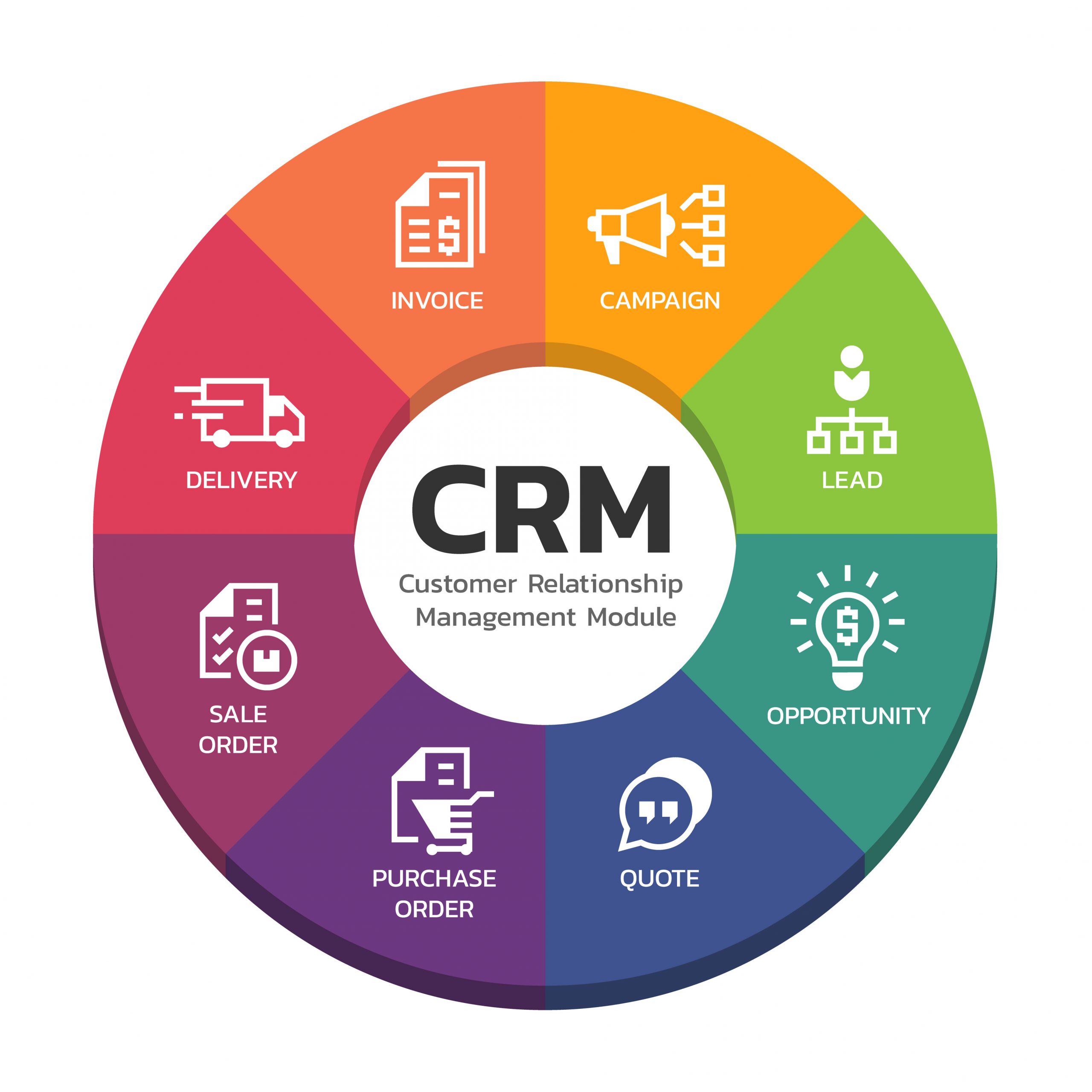
Enterprise CRM Tools: A Comprehensive Guide for Large Organizations
In today’s dynamic business landscape, customer relationship management (CRM) has become an indispensable strategy for enterprises seeking to enhance customer satisfaction, streamline operations, and drive revenue growth. Enterprise CRM tools, in particular, are designed to cater to the complex needs of large organizations, offering a robust suite of features and capabilities to manage customer interactions across various touchpoints. This comprehensive guide delves into the world of enterprise CRM tools, exploring their key features, benefits, implementation considerations, and future trends.
What are Enterprise CRM Tools?
Enterprise CRM tools are sophisticated software solutions designed to manage and analyze customer interactions and data throughout the customer lifecycle. Unlike smaller CRM systems that cater to small businesses, enterprise CRM tools are built to handle the vast amounts of data and complex processes associated with large organizations. These tools provide a centralized platform for managing customer data, automating sales and marketing processes, and delivering personalized customer experiences.
Key Features of Enterprise CRM Tools:
- Contact Management: Enterprise CRM tools provide a centralized repository for storing and managing customer information, including contact details, communication history, and purchase records.
- Sales Force Automation: These tools automate sales processes, such as lead management, opportunity tracking, and sales forecasting, enabling sales teams to close deals more efficiently.
- Marketing Automation: Enterprise CRM tools enable marketers to automate marketing campaigns, personalize email marketing, and track campaign performance, helping to generate leads and nurture customer relationships.
- Customer Service Management: These tools provide a comprehensive platform for managing customer inquiries, resolving issues, and providing support across various channels, such as phone, email, and chat.
- Analytics and Reporting: Enterprise CRM tools offer robust analytics and reporting capabilities, providing insights into customer behavior, sales performance, and marketing effectiveness.
- Integration Capabilities: These tools can be integrated with other enterprise systems, such as ERP, accounting, and marketing automation platforms, to provide a holistic view of the business.
- Customization Options: Enterprise CRM tools can be customized to meet the specific needs of an organization, allowing businesses to tailor the system to their unique processes and requirements.
- Mobile Access: These tools offer mobile access, enabling sales and service teams to access customer information and manage interactions on the go.
- Security Features: Enterprise CRM tools incorporate robust security features to protect sensitive customer data and ensure compliance with industry regulations.
Benefits of Implementing Enterprise CRM Tools:
- Improved Customer Satisfaction: By providing a 360-degree view of the customer, enterprise CRM tools enable businesses to deliver personalized experiences and resolve issues more efficiently, leading to improved customer satisfaction.
- Increased Sales Productivity: Automating sales processes and providing sales teams with real-time data, enterprise CRM tools help to increase sales productivity and close more deals.
- Enhanced Marketing Effectiveness: By enabling marketers to personalize campaigns and track performance, enterprise CRM tools help to improve marketing effectiveness and generate more leads.
- Streamlined Operations: Enterprise CRM tools streamline operations by automating processes, centralizing data, and integrating with other enterprise systems.
- Better Decision-Making: By providing comprehensive analytics and reporting, enterprise CRM tools enable businesses to make better decisions based on data-driven insights.
- Improved Collaboration: Enterprise CRM tools facilitate collaboration between sales, marketing, and customer service teams, ensuring that everyone is working towards the same goals.
- Increased Revenue Growth: By improving customer satisfaction, increasing sales productivity, and enhancing marketing effectiveness, enterprise CRM tools contribute to increased revenue growth.
Implementation Considerations:
Implementing an enterprise CRM tool is a complex process that requires careful planning and execution. Here are some key considerations:
- Define Clear Goals: Before implementing a CRM system, it is essential to define clear goals and objectives. What do you want to achieve with CRM? What are your key performance indicators (KPIs)?
- Choose the Right CRM System: There are many enterprise CRM tools available, each with its own strengths and weaknesses. It is important to choose a system that meets your specific needs and requirements.
- Data Migration: Migrating data from legacy systems to the new CRM system can be a challenging task. It is important to plan the data migration process carefully to ensure that data is accurate and complete.
- Training and Adoption: Training employees on how to use the new CRM system is essential for ensuring adoption and maximizing the benefits of the system.
- Customization: Enterprise CRM tools can be customized to meet the specific needs of an organization. However, it is important to avoid over-customization, as this can make the system difficult to maintain and upgrade.
- Integration: Integrating the CRM system with other enterprise systems is essential for providing a holistic view of the business.
- Security: Security is a critical consideration when implementing an enterprise CRM tool. It is important to ensure that the system is secure and that sensitive customer data is protected.
- Ongoing Maintenance: Enterprise CRM tools require ongoing maintenance and support. It is important to have a plan in place for maintaining the system and providing support to users.
Popular Enterprise CRM Tools:
- Salesforce Sales Cloud: A leading cloud-based CRM platform that offers a wide range of features and capabilities for sales, marketing, and customer service.
- Microsoft Dynamics 365: A comprehensive suite of business applications that includes CRM, ERP, and other tools.
- SAP CRM: A robust CRM solution that integrates with other SAP applications, providing a holistic view of the business.
- Oracle Siebel CRM: A powerful CRM system that is designed for large enterprises with complex needs.
- Zoho CRM: A cloud-based CRM platform that offers a range of features and capabilities at an affordable price.
Future Trends in Enterprise CRM:
- Artificial Intelligence (AI): AI is transforming enterprise CRM by automating tasks, personalizing customer experiences, and providing data-driven insights.
- Mobile CRM: Mobile CRM is becoming increasingly important as sales and service teams need to access customer information and manage interactions on the go.
- Social CRM: Social CRM is the integration of social media into CRM systems, allowing businesses to engage with customers on social channels and gather valuable insights.
- Internet of Things (IoT): IoT is enabling businesses to collect data from connected devices and use that data to improve customer experiences and personalize interactions.
- Cloud-Based CRM: Cloud-based CRM is becoming increasingly popular as it offers scalability, flexibility, and cost savings.
Conclusion:
Enterprise CRM tools are essential for large organizations that want to enhance customer satisfaction, streamline operations, and drive revenue growth. By providing a centralized platform for managing customer data, automating sales and marketing processes, and delivering personalized customer experiences, enterprise CRM tools enable businesses to build stronger customer relationships and achieve their business goals. However, implementing an enterprise CRM tool is a complex process that requires careful planning and execution. By considering the key implementation considerations outlined in this guide, businesses can ensure that their CRM implementation is successful and that they are able to reap the full benefits of the system.