B2B CRM Platforms: A Comprehensive Guide to Choosing the Right Solution
In the complex world of business-to-business (B2B) sales and marketing, managing customer relationships effectively is paramount. Unlike B2C, B2B interactions often involve longer sales cycles, multiple decision-makers, and higher transaction values. This complexity necessitates a robust Customer Relationship Management (CRM) system tailored specifically for the B2B environment.
What is a B2B CRM?
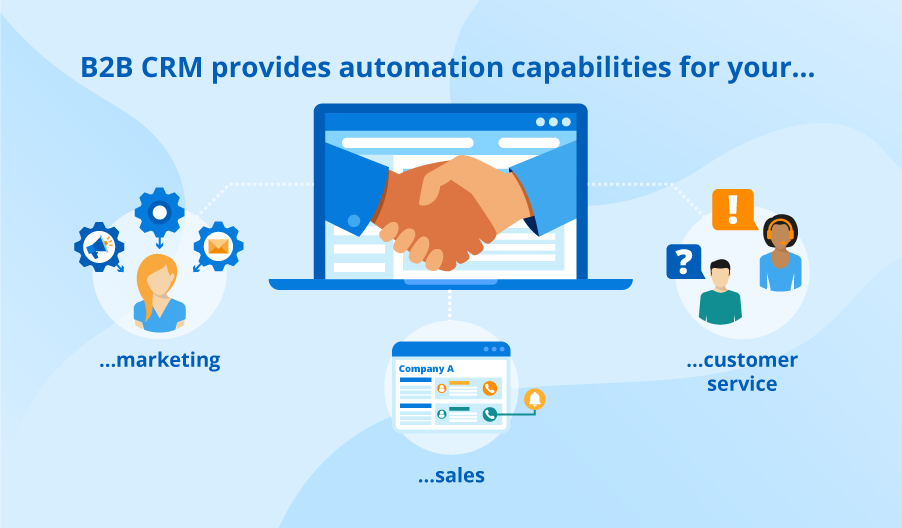
A B2B CRM is a software solution designed to help businesses manage and optimize their interactions with other businesses. It goes beyond simply tracking customer information; it provides a centralized platform for managing leads, sales opportunities, marketing campaigns, and customer service interactions throughout the entire B2B customer lifecycle.
Key Differences Between B2B and B2C CRM
While both B2B and B2C CRMs aim to improve customer relationships, they cater to distinct business models with varying needs. Here’s a breakdown of the key differences:
- Sales Cycle: B2B sales cycles are typically longer and more complex, involving multiple touchpoints and stakeholders. B2C sales, on the other hand, are often shorter and more transactional.
- Decision-Making: B2B purchases usually involve a committee or team of decision-makers, each with their own priorities and concerns. B2C purchases are typically made by individual consumers.
- Relationship Focus: B2B relationships are built on trust, collaboration, and long-term partnerships. B2C relationships are often more transactional and focused on immediate gratification.
- Data Requirements: B2B CRMs require more detailed information about companies, contacts, and their roles within the organization. B2C CRMs focus on individual customer preferences and purchase history.
- Marketing Strategies: B2B marketing often involves targeted content, account-based marketing (ABM), and lead nurturing campaigns. B2C marketing tends to be broader and more focused on mass appeal.
Essential Features of a B2B CRM
To effectively manage the complexities of B2B relationships, a CRM system should offer the following essential features:
- Contact Management: Store and organize detailed information about companies, contacts, and their roles within the organization. This includes contact details, communication history, and key decision-makers.
- Lead Management: Capture, qualify, and nurture leads through the sales pipeline. Track lead sources, engagement activities, and conversion rates to optimize lead generation efforts.
- Opportunity Management: Manage sales opportunities from initial contact to close. Track deal stages, potential revenue, and competitive information.
- Account Management: Provide a comprehensive view of each customer account, including contact information, sales history, support tickets, and key performance indicators (KPIs).
- Sales Automation: Automate repetitive tasks such as email follow-ups, task assignments, and data entry to improve sales efficiency.
- Marketing Automation: Create and automate marketing campaigns to generate leads, nurture prospects, and drive sales.
- Reporting and Analytics: Generate reports and dashboards to track key metrics such as sales performance, lead generation, and customer satisfaction.
- Integration: Integrate with other business systems such as ERP, accounting software, and marketing automation platforms to streamline workflows and data sharing.
- Customization: Customize the CRM to fit the specific needs of your business, including custom fields, workflows, and reports.
- Mobile Access: Access the CRM from anywhere, at any time, using a mobile app or web browser.
Benefits of Using a B2B CRM
Implementing a B2B CRM can provide numerous benefits, including:
- Improved Sales Productivity: Automate tasks, streamline workflows, and provide sales reps with the information they need to close deals faster.
- Enhanced Customer Relationships: Build stronger relationships with customers by providing personalized service and proactive support.
- Increased Lead Generation: Generate more qualified leads through targeted marketing campaigns and lead nurturing programs.
- Better Sales Forecasting: Improve sales forecasting accuracy by tracking sales opportunities and pipeline data.
- Data-Driven Decision Making: Make informed decisions based on real-time data and analytics.
- Improved Collaboration: Facilitate collaboration between sales, marketing, and customer service teams.
- Increased Revenue: Drive revenue growth by improving sales effectiveness and customer retention.
- Centralized Data: Create a single source of truth for customer data, eliminating data silos and improving data quality.
Choosing the Right B2B CRM Platform
Selecting the right B2B CRM platform is a critical decision that can significantly impact your business success. Here are some key factors to consider:
- Business Needs: Identify your specific business needs and requirements. What are your pain points? What are your goals for using a CRM?
- Industry Specificity: Some CRMs are tailored for specific industries. Consider whether you need a CRM with industry-specific features and functionality.
- Scalability: Choose a CRM that can scale with your business as it grows.
- Integration: Ensure the CRM integrates with your existing business systems.
- User-Friendliness: Select a CRM that is easy to use and intuitive for your sales and marketing teams.
- Customization: Look for a CRM that can be customized to fit your specific needs.
- Pricing: Compare pricing models and choose a CRM that fits your budget. Consider the total cost of ownership, including implementation, training, and ongoing support.
- Support and Training: Ensure the CRM vendor provides adequate support and training.
- Security: Choose a CRM with robust security features to protect your customer data.
- Reviews and Testimonials: Read reviews and testimonials from other B2B businesses to get an idea of the CRM’s strengths and weaknesses.
- Trial Period: Take advantage of free trial periods to test out different CRMs before making a decision.
Popular B2B CRM Platforms
Here are some of the popular B2B CRM platforms available in the market:
- Salesforce Sales Cloud: A leading CRM platform with a wide range of features and customization options.
- Microsoft Dynamics 365 Sales: A comprehensive CRM solution that integrates with other Microsoft products.
- HubSpot CRM: A free CRM platform with a user-friendly interface and powerful marketing automation features.
- Zoho CRM: A flexible and affordable CRM platform with a wide range of features and integrations.
- Pipedrive: A sales-focused CRM platform designed for small and medium-sized businesses.
- SAP Sales Cloud: A powerful CRM platform designed for large enterprises.
Implementation and Training
Implementing a B2B CRM is not just about installing software; it’s about changing the way your business operates. A successful implementation requires careful planning, training, and ongoing support.
- Define Clear Goals: Before implementing a CRM, define clear goals and objectives. What do you want to achieve with the CRM?
- Develop a Plan: Develop a detailed implementation plan, including timelines, milestones, and responsibilities.
- Data Migration: Migrate your existing customer data into the CRM.
- Training: Provide comprehensive training to your sales and marketing teams on how to use the CRM.
- Ongoing Support: Provide ongoing support and training to ensure your teams are using the CRM effectively.
- Monitor and Evaluate: Monitor and evaluate the performance of the CRM to ensure it is meeting your goals.
Conclusion
In today’s competitive B2B landscape, a robust CRM system is essential for managing customer relationships, improving sales productivity, and driving revenue growth. By understanding the key features, benefits, and considerations involved in choosing a B2B CRM platform, businesses can make an informed decision and select a solution that meets their specific needs and helps them achieve their business goals. The right B2B CRM is an investment that pays dividends in enhanced customer relationships, streamlined operations, and ultimately, a stronger bottom line.